
Every team knows the moment. A meeting wraps up, someone says “I’ll take care of that,” and everyone nods. Two weeks later, nothing has happened. Nobody is sure who was responsible. Nobody wants to call it out. And the work quietly dies.
This is not a motivation problem. It is not a talent problem. It is a structural problem — one that stems from the way decisions are made and tracked in most modern organizations. And it is entirely solvable.
The “I’ll Do It” Problem Is Systemic
In meetings, verbal commitments feel binding in the moment. But without a system to capture, assign, and track them, they carry the same weight as good intentions: substantial at the time, unreliable over time. The ambiguity compounds when multiple people are present and nobody is sure whether “I’ll look into that” was a firm commitment or a conversational filler.
Research from organizational psychology consistently shows that shared ownership is often no ownership. When two people both believe they might be responsible for something, neither acts with urgency. When nobody owns it explicitly, nothing happens at all. This is not a failure of character — it is a predictable consequence of unclear ownership structures.
What Automatic Action Item Assignment Actually Means
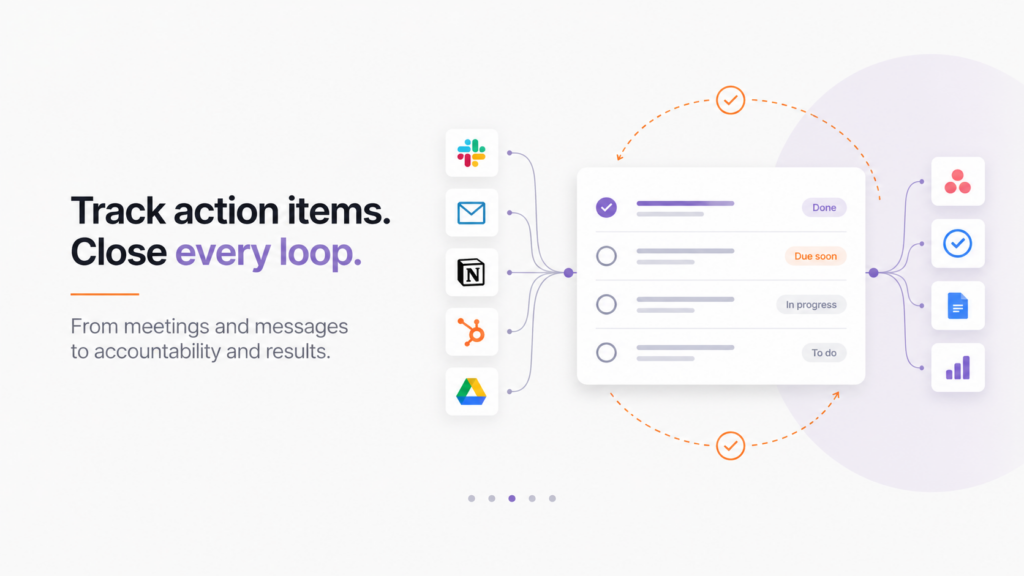
Automatic action item assignment is the process by which an AI system identifies commitments as they are made — in meetings, emails, chats, or documents — and assigns them to a named owner with a clear deadline, without requiring a human to manually log them.
This is different from AI meeting summaries, which tell you what was discussed but not what needs to happen next. It is different from task management tools, which track tasks that humans remember to create. Automatic assignment operates upstream of both: it catches commitments at the point of origin and converts them into structured accountability before anyone has a chance to forget.
How Wincent Handles Assignment
Wincent approaches this as a core function of its AI Chief of Staff capability. Rather than surfacing a list of possible action items and asking a human to decide what to do with them, Wincent applies AI judgement to determine ownership based on context: who made the commitment, whose area it falls under, and what follow-up is appropriate given the team structure.
The system integrates with Microsoft 365, Google Workspace, Slack, Notion, and HubSpot — which means it reads assignments not just from formal meeting notes but from the informal channels where real commitments often happen. A Slack message saying “I’ll get you that proposal by Thursday” is treated with the same operational seriousness as a task created in a project management tool.
The Difference Between Flagging and Assigning
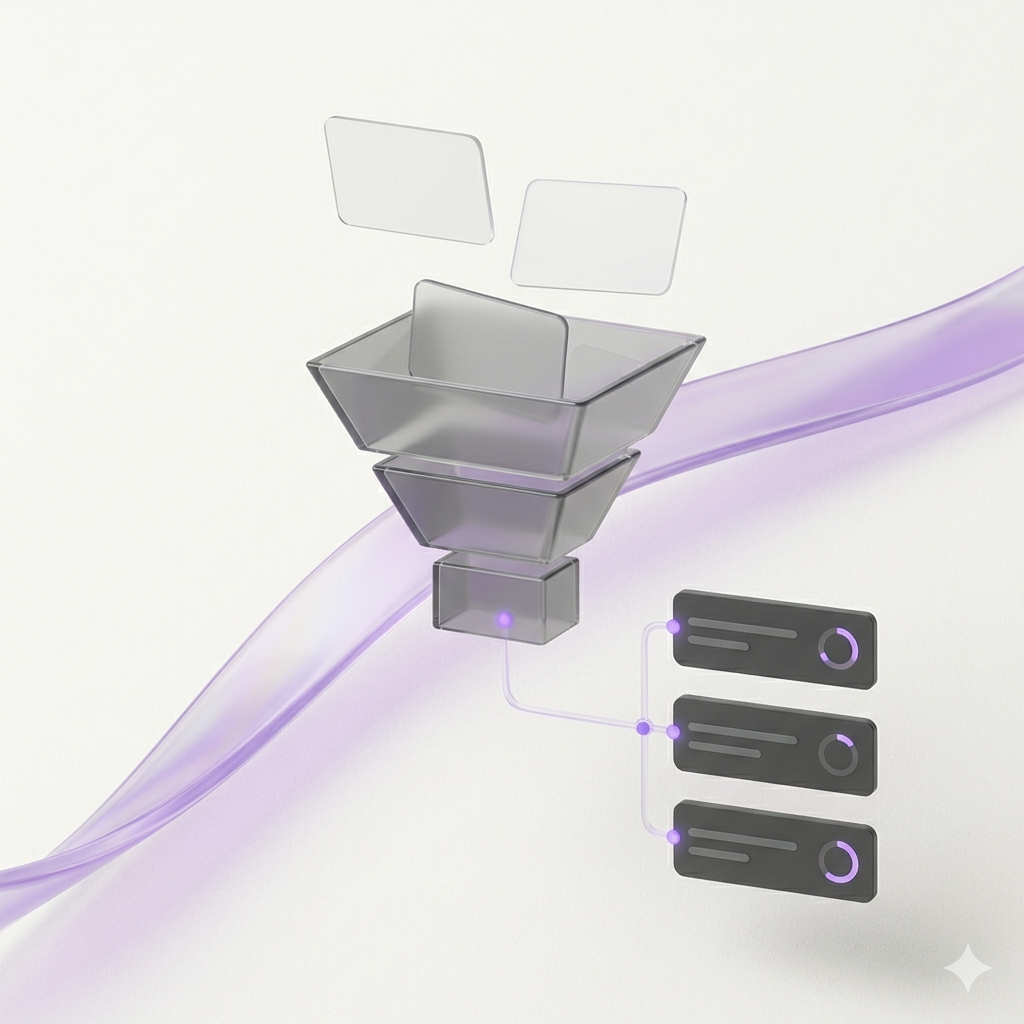
There is an important distinction between an AI that flags potential action items and an AI that assigns them. Flagging creates a list. Assigning creates accountability. Most tools stop at flagging — they surface a set of possible tasks and leave the decision of who owns what to the humans in the room.
The problem with flagging-only systems is that they replicate the original ambiguity in a slightly more organized format. You still have a list of uncommitted items. You still need a human to decide who is responsible. You still have the same structural gap that caused the problem in the first place.
Wincent’s approach is to move past flagging toward actual assignment — with the human retaining the ability to review, adjust, or override, but not required to make the initial ownership decision from scratch. This dramatically reduces the friction between decision and action.
Proactive Follow-Up: Closing the Loop
Assigning an action item is necessary but not sufficient. The loop is only closed when the work is done — which means the system needs to actively monitor progress, not just record the assignment.
Wincent’s execution layer handles this by sending automated follow-up nudges to owners as deadlines approach, surfacing stalled items to the relevant stakeholder, and flagging patterns where certain types of tasks consistently slip. This proactive layer is what separates a closed loop system from a sophisticated to-do list.
Building a Culture of Accountability Without Micromanagement
There is a reasonable concern that automated assignment and follow-up will feel coercive — that it creates a surveillance dynamic rather than a trust-based one. The evidence from organizations that have adopted these systems suggests the opposite.
When everyone operates within the same system and knows that commitments will be tracked consistently, the pressure is equalized. The star performer does not resent being chased while the underperformer escapes scrutiny. Accountability becomes structural rather than personal, which is both fairer and more effective.
The goal is not to watch people — it is to eliminate the ambiguity that makes “I’ll do it” meaningless. When ownership is clear and follow-up is automatic, teams spend less time chasing status and more time doing the actual work.
Conclusion
The “I’ll do it” problem is not going away on its own. It is hardwired into the way informal teams make commitments — and it will persist as long as the gap between verbal agreement and structured task remains the responsibility of human memory.
Automatic action item assignment, as implemented in platforms like Wincent, closes that gap structurally. It does not rely on anyone to remember. It does not require anyone to manually log. It converts commitments into accountability the moment they are made — and tracks them through to completion.