
Meeting follow-up is the operational bottleneck that almost nobody talks about. Everyone acknowledges that decisions made in meetings need to become actions. Nobody is confident that they reliably do. And the gap between those two facts — between knowing and doing — is where most organizational follow-through breaks down.
AI meeting follow-up tools have emerged as a response to this problem. But not all of them solve it in the same way, and the difference matters enormously in practice. The key distinction is between reactive tools — which respond to what humans remember to ask — and proactive tools, which drive follow-up without waiting to be prompted.
The Reactive Trap
Most AI meeting tools are reactive. They transcribe the meeting, generate a summary, and wait. If a human reads the summary and decides to create tasks, that is good. If not, nothing happens. The AI’s job is done the moment it produces the document.
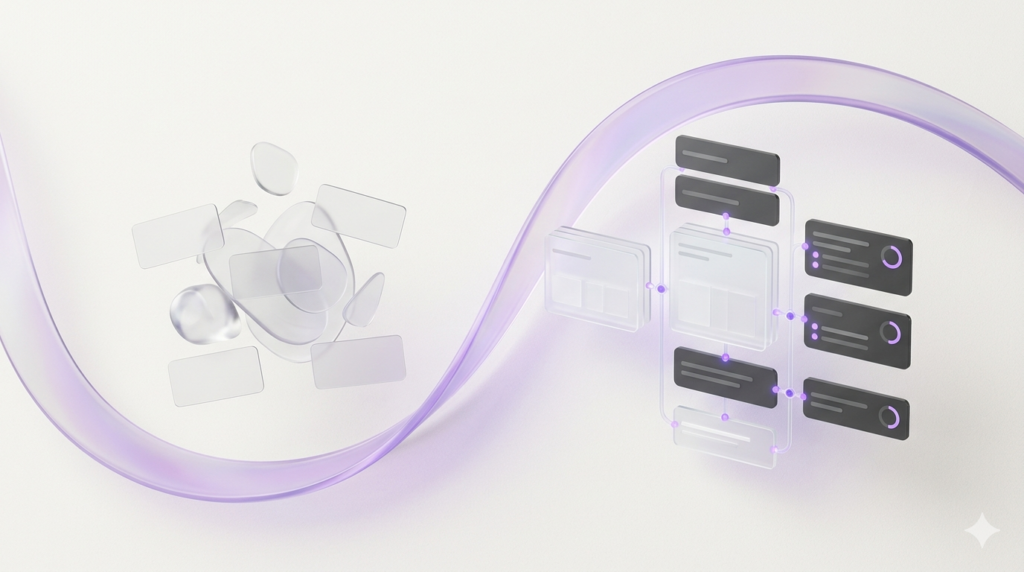
The problem is that the reactive model places the entire burden of follow-through back on the human — which is exactly where the problem started. The meeting is over. The next meeting has started. The summary sits unread in a shared folder. Three weeks later, the same topics resurface in the next planning session, because the actions from the last one were never completed.
Reactive tools are not useless — they create a record. But a record without follow-through is an archive, not an operational system.
What Proactive Follow-Up Looks Like
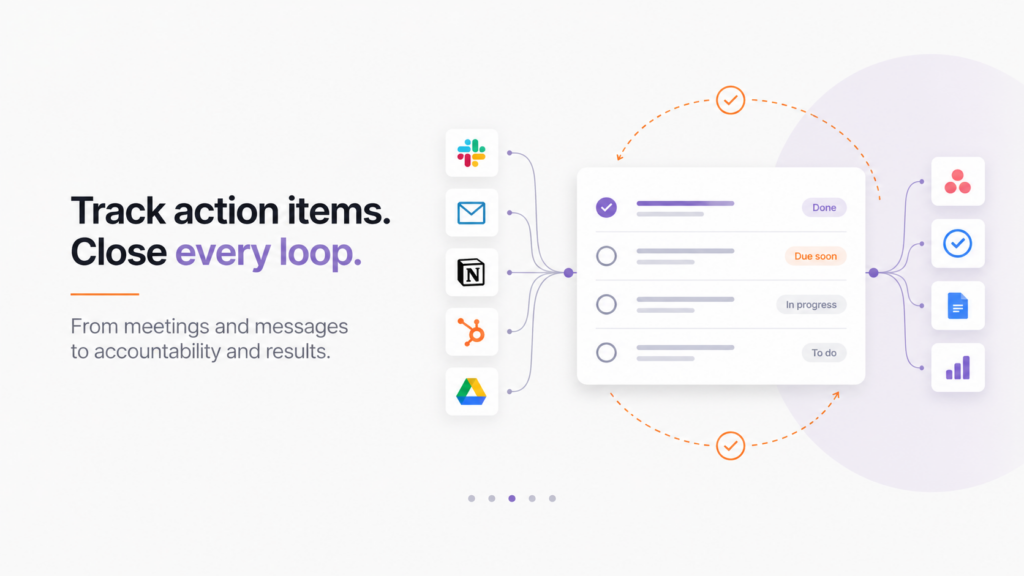
A proactive AI meeting follow-up tool does not wait for a human to read the summary and decide what to do. It identifies the action items, assigns them to owners, sets deadlines, and then tracks whether those items are progressing — sending follow-up nudges as needed, escalating when things stall, and confirming when work is complete.
The sequence from meeting to done looks entirely different in a proactive model: meeting ends → AI captures outputs → decisions are structured and assigned → owners are notified → progress is tracked → completion is confirmed. The human’s role shifts from manual follow-up coordinator to reviewer and decision-maker on edge cases.
Wincent’s Proactive Architecture
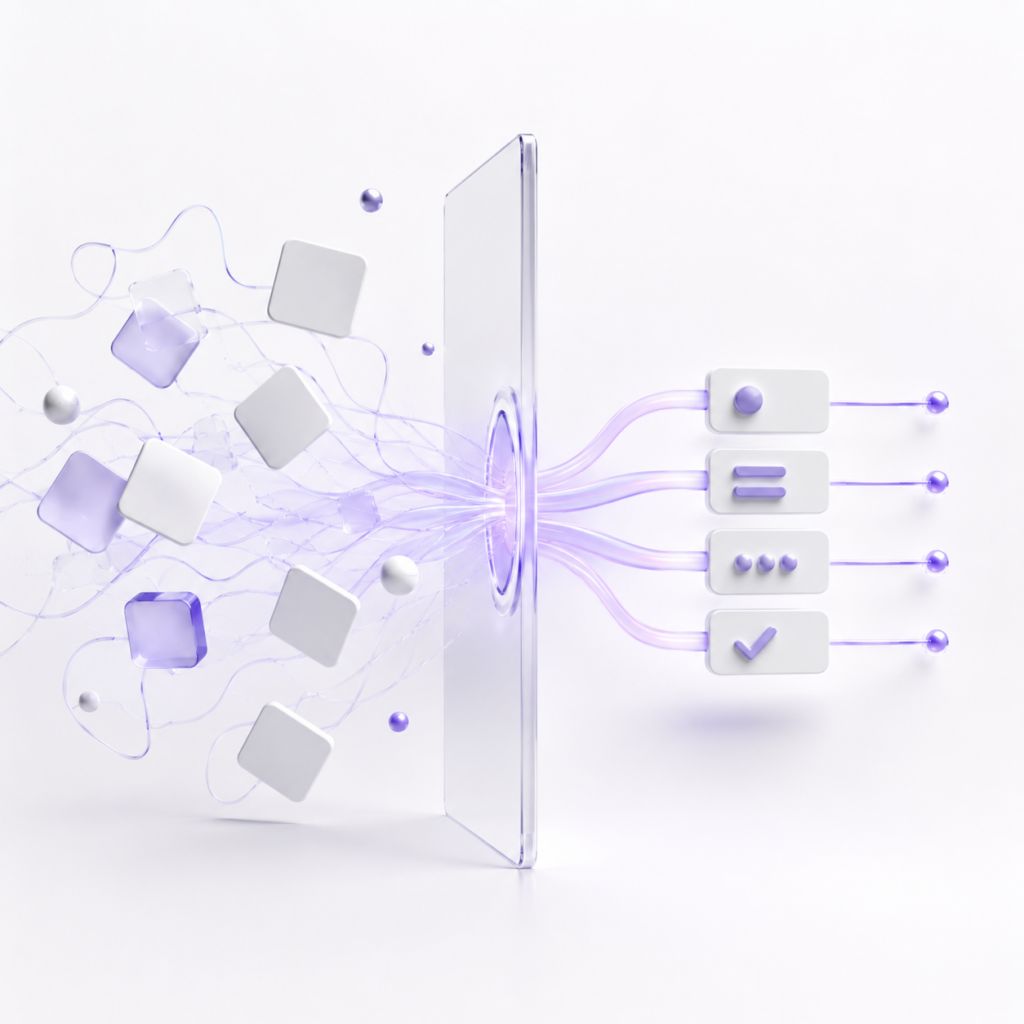
Wincent is built on a proactive follow-up model. When a meeting occurs — whether via Microsoft Teams, Google Meet, or any other platform integrated with Wincent’s input layer — the outputs are not stored as a summary. They are fed into the Judgement stage, which identifies what decisions were made and what follow-up is required, and then into the Execution stage, which assigns and tracks that follow-up automatically.
The result is that a meeting on Monday generates tasks that are actively tracked by Tuesday morning — with owners already notified and deadlines already established. The team does not need to hold a separate “action item review” meeting. The system handles it.
The Role of Context in Effective Follow-Up
Proactive follow-up only works if the AI understands context. A commitment made in a client call has different urgency than one made in a team standup. An action item assigned to a person who is on vacation for the next two weeks requires a different response than one assigned to someone available immediately.
Wincent’s integration with calendars, communication tools, and task systems gives it the contextual awareness to make these distinctions. It does not apply a one-size-fits-all follow-up cadence — it calibrates based on deadline, owner availability, and the nature of the commitment.
Choosing the Right Tool
When evaluating AI meeting follow-up tools, the most important question to ask is: what happens after the summary is produced? If the answer is “a human reviews it and creates tasks,” the tool is reactive. If the answer is “the system automatically assigns and tracks follow-up,” the tool is proactive.
For organizations where meeting follow-through is consistently a problem — which is to say, most organizations — reactive tools will improve the situation marginally. Proactive tools, like Wincent, will change it structurally.
Conclusion
The difference between proactive and reactive AI meeting follow-up is the difference between a system that records and a system that acts. For teams that are serious about closing the gap between meeting and done, reactive tools are a starting point — not an endpoint.
Wincent’s proactive architecture represents the current frontier of what AI meeting follow-up can be: a system that does not wait to be asked, because the work is too important to leave to chance.